
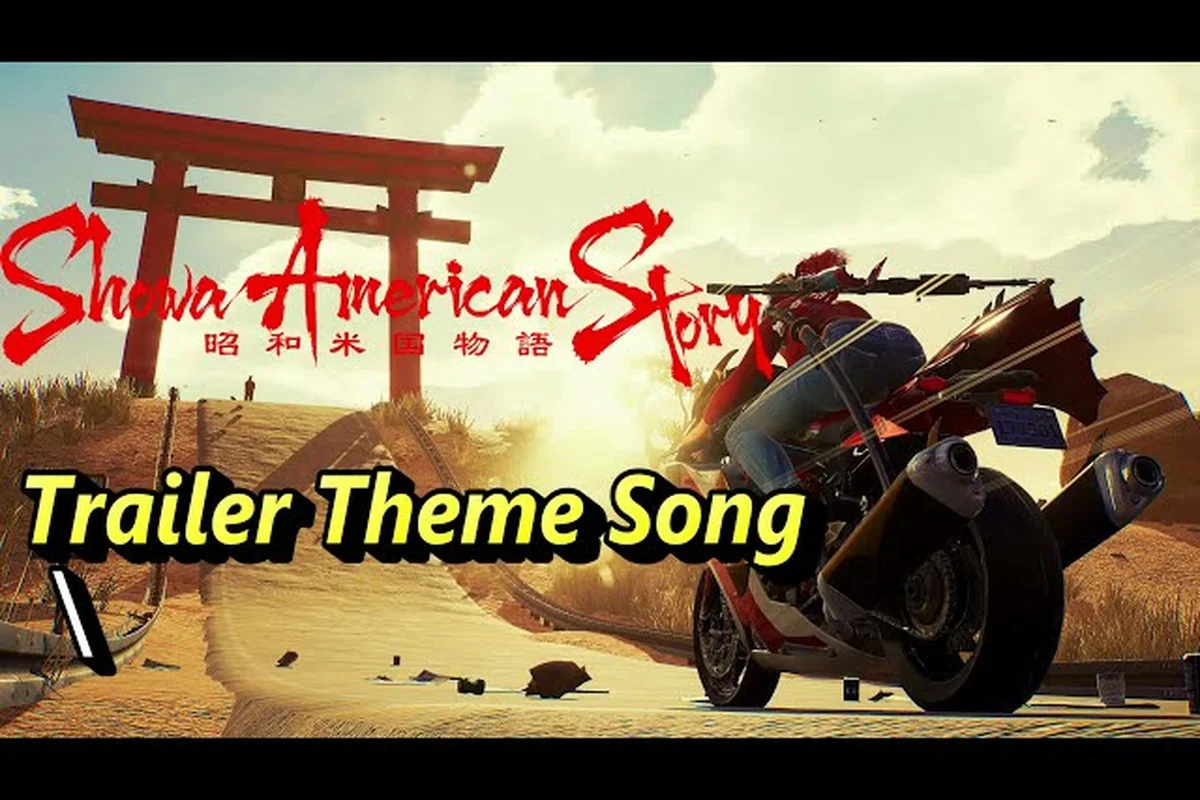
When the opening chords of Sorega Daiji blast through the speakers of your Guren camper, you know you’re in for something unlike any other zombie RPG. This theme song, performed by the in‑world band Daijiman Brothers, isn’t just a catchy earworm—it’s a carefully layered narrative device that mirrors the game’s entire tonal spectrum. Understanding the Showa American Story Sorega Daiji theme song meaning unlocks a deeper appreciation for the multiple endings, the dark humor that peppers the wasteland, and even the true ending that ties Choko’s revenge arc together. Let’s unpack why this track resonates so powerfully.
The Sorega Daiji Theme Song: More Than Just an Opening Track
Positioned as the game’s main musical identity, Sorega Daiji (which roughly translates to “That’s Important”) was directly chosen by producer Luo as his personal nostalgia pick. According to the Showa American Story Steam page, the game is set in a late‑80s America that Japan culturally colonized, and the theme song’s kayokyoku style—a blend of enka and Western pop—perfectly encapsulates that alternate‑history bubble era.
The Daijiman Brothers Band and Fictional Lore
The Daijiman Brothers are a fictional band created for the game’s universe, and their song Sorega Daiji is more than background music. The Wikipedia entry for Showa American Story notes that the theme song appears during pivotal moments—the opening credits, key cutscenes, and even as a radio track you can tune into inside the Guren. The lyrics, delivered in an upbeat Showa‑era style, deliberately contrast with the grim zombie apocalypse on screen. That contrast is where the dark humor lives.
How the Song Frames the Player’s Journey
Chigusa Choko’s resurrection quest is driven by revenge for her sister Aya, but the song insists that “that’s important”—a phrase that sounds almost comically trivial next to the bloodshed. This irony is central to the Showa American Story dark humor moments. The game constantly undercuts its own grimness with light‑hearted musical cues, and Sorega Daiji is the loudest example.
How Sorega Daiji Reflects the Game’s Dark Humor and B‑Movie Spirit
One of the most striking ways the Showa American Story Sorega Daiji theme song meaning manifests is through the game’s refusal to take itself seriously. The lyrics about cherishing small things (“Sorega daiji, sorega daiji ne”) play over scenes of Choko mowing down hordes of zombies with a drill‑saw or riding a motorcycle through a neon‑lit diner. The dissonance is deliberate and hilarious.
Dark Humor Moments Tied Directly to the Soundtrack
Players have catalogued several Showa American Story dark humor moments that are amplified by the theme song:
-
The Diner Dance Scene: During a side quest, Choko and a group of survivors break into a sync‑dance to Sorega Daiji while a zombie horde shuffles outside the window. The absurdity is pure B‑movie gold.
-
Boss Gokou’s Entrance: The Texas Governor, a samurai‑cowboy hybrid, makes his first appearance with the song playing over the intercom of his fortress. The juxtaposition of the chipper tune and his menacing monologue is a standout scene.
-
The Giren Camp Upgrade: When you fully upgrade the Guren, the theme song becomes the van’s default horn melody. Hearing it blast as you drive through the desert never gets old.
The Song’s Role in the B‑Movie Aesthetic
The developers at NEKCOM openly cited Japanese B‑movies and 70s‑80s television as influences. The theme song’s cheap synthesizer sound and overly earnest singing mimic the opening credits of a low‑budget tokusatsu show. This fits perfectly into the Showa American Story soundtrack lore, where every track is a love letter to the era of video store shelves and VHS tape labels. For a deeper dive into the complete soundtrack, check out the trailer music analysis that breaks down every song used in the gamescom 2026 trailer.
Soundtrack Lore: The Daijiman Brothers Band and the Showa Nostalgia
The lore behind the band is just as fascinating as the music itself. In the game’s world, the Daijiman Brothers rose to fame during the height of the Showa 66 era—the period when Japan economically colonized America. Their music was pumped through every diner, gas station, and arcade, making it the unofficial anthem of the occupation.
Table 1: Key Soundtrack Tracks and Their Narrative Roles
| Track Title | Artist (In‑World) | Narrative Role | Lyrics Theme |
|---|---|---|---|
| Sorega Daiji | Daijiman Brothers | Main theme, plays at key cutscenes | Importance of small things |
| Casablanca (Cover) | Hiromi Go | Ending theme of a side quest | Lost love, nostalgia |
| Sorega Daiji (8‑bit Mix) | Daijiman Brothers | Plays in Neo Yokohama arcade cabinets | Same lyrics, but chiptune |
| Unknown Title | Mayu Wakisaka | True ending credits | Hope and rebirth |
The Sorega Daiji 8‑bit mix is particularly interesting. It can only be heard if you find a specific arcade cabinet in the Neo Yokohama hub—one of many Showa American Story hidden story details that reward exploration. The fact that the same song exists in multiple diegetic forms (radio, arcade, camp horn) ties the entire world together thematically.
Table 2: How Each Version Reflects Different Endings
| Ending Type | Trigger Condition | Music Played | How Song Meaning Changes |
|---|---|---|---|
| Bad Ending | Choko dies in the final fight | Sorega Daiji (slow, minor‑key remix) | Irony: the important thing was revenge, lost |
| Normal Ending | Defeat Boss Gokou but Aya remains captive | Original Sorega Daiji | Bittersweet: the song is the only comfort |
| True Ending | Complete all side quests and save Aya | Full orchestral version of Sorega Daiji | Triumph: the important thing was family all along |
| Joke Ending | Fail the final QTE repeatedly | Sorega Daiji (off‑key karaoke version) | Pure absurdity: nothing matters |
Understanding this table is key to grasping the Showa American Story multiple endings system. The game doesn’t just change the last cutscene; it transforms how you hear the same song based on your choices. The Showa American Story true ending replaces the upbeat pop version with a swelling orchestral rendition that brings the whole narrative arc full circle.
The True Ending and Multiple Endings: How the Theme Song Ties It Together
The Showa American Story multiple endings are more than just binary “good or bad” outcomes. They are designed around the question “What is truly important?”—the very question the theme song asks. Each ending recontextualizes the lyrics through a different musical arrangement.
What Changes in the True Ending?
To unlock the Showa American Story true ending, you must complete every character side quest, particularly those involving Aya’s whereabouts and the hidden faction called the Zombie Human Rights Association. Once you do, the final boss encounter with Boss Gokou triggers a unique sequence where Sorega Daiji transitions from its standard version to a full orchestral piece. The lyrics remain the same, but the emotional weight shifts from playful irony to genuine catharsis.
Hidden Story Details Embedded in the Music
Beyond the endings, the theme song contains direct narrative clues. The bridge of the song includes the line “Michibiki no hikari wa tooku ni” (“The guiding light is far away”), which is also the name of a hidden diary entry you can find in the Guren after completing the game. That diary reveals that Aya herself listened to Sorega Daiji on the day she was taken. This is one of the Showa American Story hidden story details that only become apparent on a second playthrough.
Table 3: Hidden Clues in the Theme Song Lyrics
| Lyric Fragment | Translation | Hidden Connection |
|---|---|---|
| “Sorega daiji, sorega daiji ne” | That’s important, that’s important, isn’t it? | Recurring motif in dream sequences with Aya |
| “Naku hi mo warau hi mo aru kedo” | There are days to cry and days to laugh | Foreshadows the multiple endings |
| “Kono michi no saki ni wa” | Beyond this road | References the Highway of Lost Souls side area |
| “Mata aeru hi o shinjite” | Believe in the day we’ll meet again | Directly addresses the true ending’s reunion |
These details reward attentive players and add immense replay value. For a full breakdown of how characters like Choko and Aya connect to these moments, see the character lore guide.
Why the Theme Song’s Title Sentence Sums Up the Entire Experience
In many ways, Sorega Daiji (“That’s Important”) is the thesis statement of the entire game. The developers have said in interviews that the joke ending where Choko gives up and starts a ramen shop is unlocked by ignoring the plot completely—by camping in the Guren for ten in‑game days. In that ending, the song plays as a karaoke track while Choko sings along poorly. The message? Even when you abandon the revenge story, the importance of living a simple life is affirmed. That’s the Showa American Story Sorega Daiji theme song meaning in a nutshell: no matter how absurd or bloody the journey gets, the core value is the connection between people.
How to Fully Experience the Song’s Lore
-
Tune your Guren radio to frequency 88.7 to hear the full extended version.
-
Collect all six arcade cabinets in Neo Yokohama to unlock the 8‑bit mix.
-
Trigger the true ending by completing the Sister Aya rescue chain and the Baseball Bat Minigame.
-
Listen closely during the final campfire scene—the song plays in the background at very low volume, and the lyrics foreshadow the post‑credits scene.
The Showa American Story dark humor moments make this game unforgettable, but it’s the layered use of its theme song that gives it emotional staying power. Whether you’re chasing the Showa American Story true ending or just laughing at the goofy karaoke variant, the song is always there to remind you what matters.
Frequently Asked Questions
Why is the theme song called “Sorega Daiji” and what does it mean?
“Sorega Daiji” translates to “That’s Important.” The title reflects the game’s central theme: amidst the chaos of a zombie apocalypse and a revenge quest, the truly important things are family, friendship, and small joys. The song’s upbeat tone clashes deliberately with the violent gameplay, creating the series’ signature dark humor.
How does the theme song change between the different endings?
Each ending features a distinct musical arrangement of Sorega Daiji. The bad ending uses a slow, minor‑key remix that underlines regret. The normal ending keeps the original version, signifying acceptance. The true ending upgrades to an orchestral version that conveys triumph. A joke ending even features an off‑key karaoke version.
Are there hidden story details in the theme song lyrics?
Yes, several. The line “Michibiki no hikari wa tooku ni” (“The guiding light is far away”) is the title of a hidden diary entry. Another phrase, “Mata aeru hi o shinjite” (“Believe in the day we’ll meet again”), foreshadows the true ending’s reunion with Aya. These clues become apparent only after multiple playthroughs.
Can I hear the theme song outside of cutscenes?
Absolutely. The song plays on the Guren camper’s radio (frequency 88.7), appears as an 8‑bit mix in arcade cabinets, and becomes the van’s horn melody when fully upgraded. It also appears in the background during campfire scenes and can be triggered in a few hidden areas.
How does the theme song connect to the game’s dark humor?
The earnest bubblegum pop of ‘Sorega Daiji’ by Daijiman Brothers directly clashes with the absurd zombie violence, forming the core of the game’s dark humor. The diner dance sequence—with Chigusa Choko dancing as zombies attack—and Boss Gokou’s samurai-cowboy entrance both exploit this dissonance, turning horror into a cheerfully ridiculous B‑movie.