
World & Exploration
Road-trip across post-apocalyptic America — city sandboxes, RV travel routes, collectibles, diners, arcades, and pop-culture landmarks in Showa American Story.
Introduction
World & Exploration covers the road-trip structure that makes Showa American Story unlike other zombie games: instead of one seamless map, the country is a chain of city sandboxes, each a self-contained open area packed with quests, collectibles, and Daily Activity spots, connected by the highway you drive in your massive RV. The loop is the game's signature — roll into a city, clear its sandbox at your own pace, restock and reorganize at your rolling home base, then drive on toward the next skyline. Guides here map the semi-open structure, break down what each city type contains, cover vehicle handling for the RV and motorcycles, catalog the diners, gas stations, arcades, and landmarks that riff on real Americana, and track the collectibles and easter eggs that reward thorough exploration of the Showa 66 wasteland.
The Road-Trip Exploration Loop
| Stage | Activity | Reward Focus |
|---|---|---|
| S | Clear the city sandbox | Quests, collectibles, and story chapters per city |
| A | Drive the RV between cities | Mobile-base management and route planning |
| B | Daily Activities detours | Stat grinding via arcades and minigames |
| B | Roadside scavenging | Loot, survivors, and pop-culture easter eggs |
Road-Trip System
City Sandboxes
Each city is a self-contained open area — the game's core world structure.
The RV Home Base
Mobile base, storage, workshop, and transport in one massive camper.
Motorcycles
Agile two-wheeler for tight routes the RV cannot take.
Roadside Americana
Diners, gas stations, arcades, and landmarks riffing on real 80s Americana.
Core Mechanics
Exploration runs on the sandbox-and-spine model. The spine is the highway network: your RV is both transport and mobile base, storing weapons, outfits, items, and progression, while motorcycles cover tighter urban routes where the big rig cannot fit. Each city sandbox then layers four content types: main-story missions that advance the revenge plot, side quests from the wasteland's eccentric survivors, Daily Activity locations — arcades and nostalgic minigames that double as stat-grind hubs — and scavenging spots (diners, gas stations, roadside attractions) that feed loot, survivors, and B-movie easter eggs. The structure rewards completionist pacing: leaving a sandbox early forfeits its side content, while thorough clearing banks stats and gear that smooth the next city. Danger scales with the sandbox too — zombie hordes cluster in dense areas, and the game's ambush design punishes drivers who stop scanning the roadside.
Advantages
The city-sandbox structure solves the emptiness problem that plagues many open-world zombie games: each city is dense by design, so exploration time converts to content at a high rate, and the RV travel between sandboxes gives natural pacing — tension on the road, relief at the base. The mobile-base design is the quiet masterstroke: because your storage, wardrobe, and progression ride with you, there is no backtracking tax, and every detour for an arcade or diner is cheap. The Americana-by-way-of-Showa theming makes the world itself a collectible — signage, music, and landmarks narrate the alternate history to players who look around. And the semi-open structure respects different play styles: main-liners can sprint the city chain, while explorers who clear every sandbox bank enough stats and gear to make later bosses dramatically easier.
Challenges
The structure's costs: sandbox-hopping means the world never feels continuous — each city is a level with dressing, not one living country, and players expecting a single seamless America should recalibrate expectations now. The RV, charming as a base, is presumably not a combat vehicle; official material frames driving as traversal, so road segments risk feeling like downtime rather than gameplay if the encounters between cities stay thin. Fast-travel details remain unconfirmed ahead of launch — the RV is the confirmed connectivity, and anything beyond that is speculation. Completionists face the flip side of dense sandboxes: thorough clearing is time-hungry, and missable side content is a real risk in a game structured around moving on. Finally, as a pre-launch game, exact city counts, map sizes, and collectible totals are unconfirmed; guides here mark what is official versus inferred from preview footage.
Frequently Asked Questions
Is Showa American Story fully open world?+
How does the RV home base work?+
Can you fast travel in Showa American Story?+
What collectibles are in Showa American Story?+
Quick Tips
Adopt the loop as a habit: clear the sandbox, restock at the RV, grind a Daily Activity or two, then drive on. The structure is designed for that rhythm, and fighting it creates both grind and risk. The game's pacing, difficulty, and reward systems are all tuned for that rhythm, and players who fight the structure end up both grinding more and seeing less.
Never leave a city without talking to its eccentric survivors — side quests are where the wasteland's best dark humor and useful gear hide, and they are easy to miss when mainlining the story. The wasteland's best dark humor and several of its most useful gear rewards hide in optional conversations that mainlining the story never reaches.
Scan the roadside while driving. Diners, gas stations, and attractions are loot and easter-egg sites, and the game rewards players who stop for the weird stuff with more than flavor. The road between cities is deliberately seeded with loot spots, minigame venues, and easter eggs, and the game rewards players who treat the drive as part of the level.
Use motorcycles for dense urban areas and save the RV for highway legs — the two-vehicle split exists so the big rig is a base first and a vehicle second. The two-vehicle split exists so the camper works as a base first and a vehicle second, and matching each vehicle to its terrain makes every leg of the trip smoother.
Treat arcades as stat investments, not distractions. Daily Activities minigames raise your numbers between missions, and a few sessions per city compounds into a noticeably easier late game. Daily Activities raise your stats between missions, and a few sessions per city compounds into a noticeably easier late game without feeling like a chore.
Featured

Showa American Story Random Events and NPC Encounters
Showa American Story random events guide: roadside encounters, foot-soaking NPCs, ambushes, and how dynamic moments fill the highways between cities.
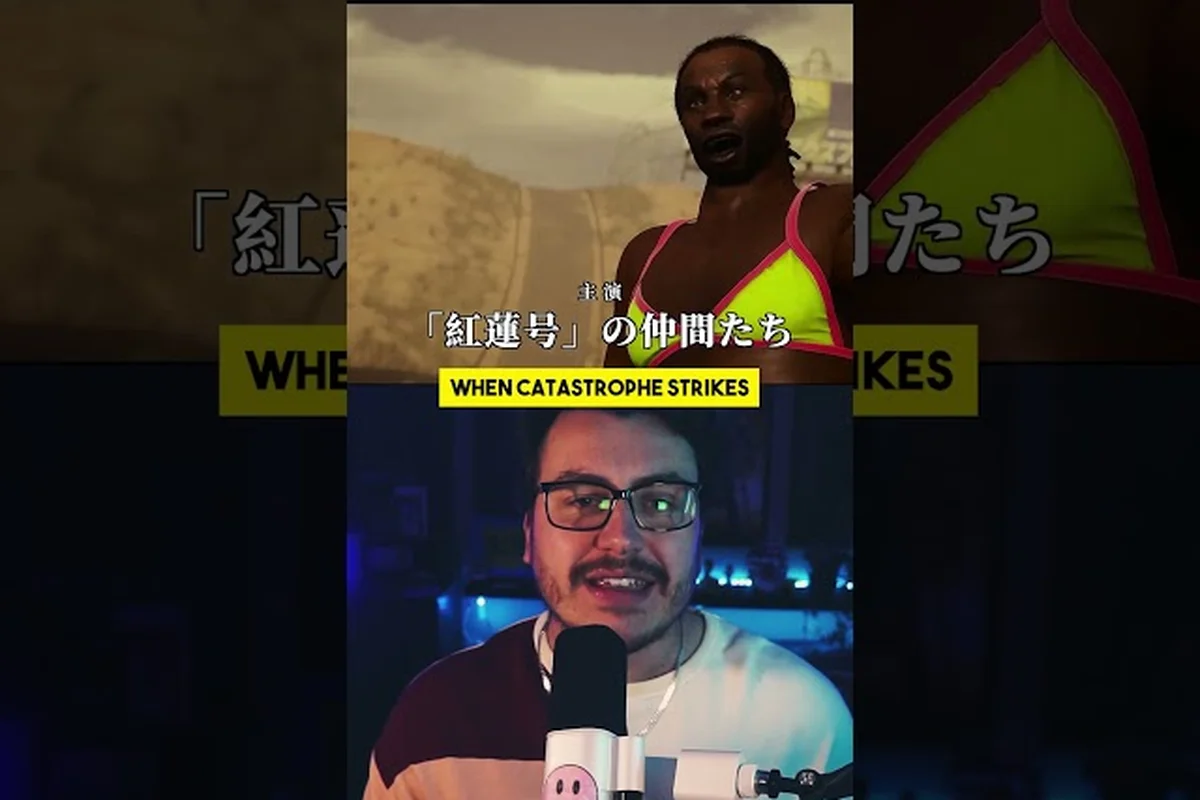
Showa American Story Camper Van Base Tour: RV Guren
Tour the Guren, Showa American Story's camper van base: first-person camp view, AP activities, facilities like the bathtub, and decoration options.
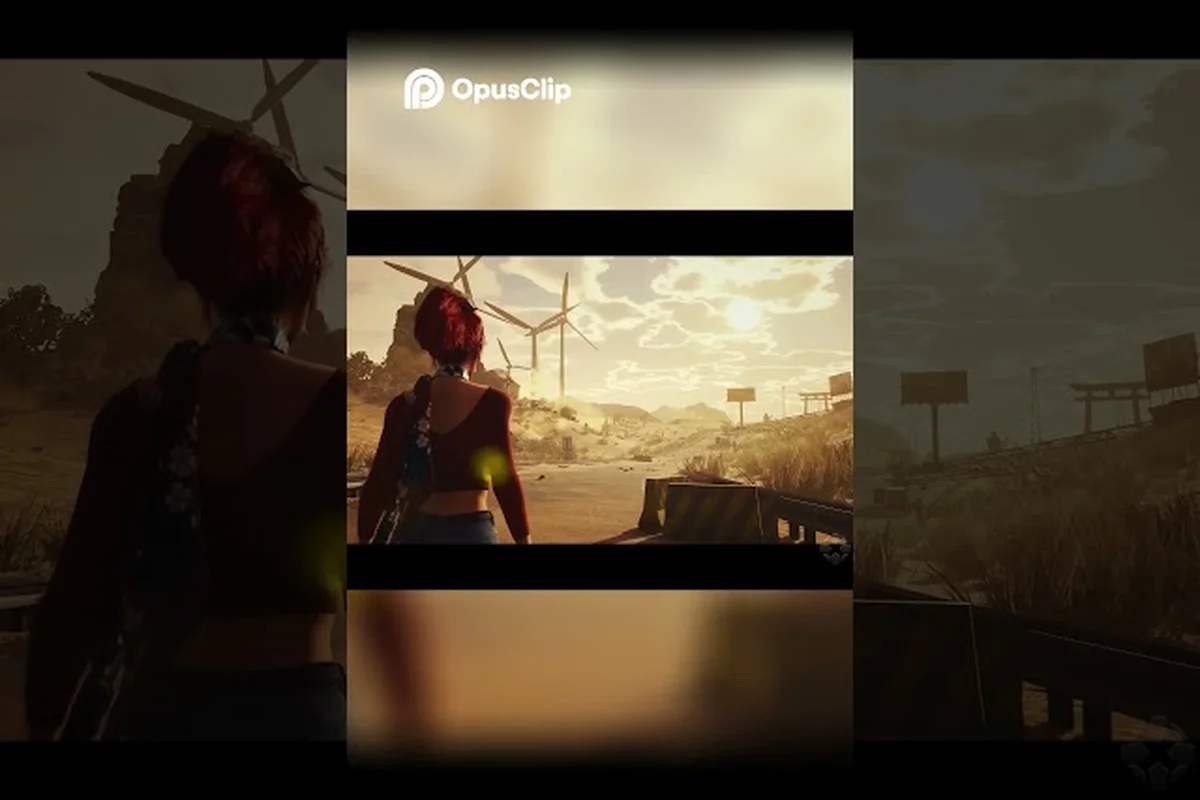
Showa American Story Collectible Locations Worth Hunting
Hunt collectible locations in Showa American Story smartly: arcade cabinets, outfit pickups, weapon finds, and missable items before leaving each city.
All Articles
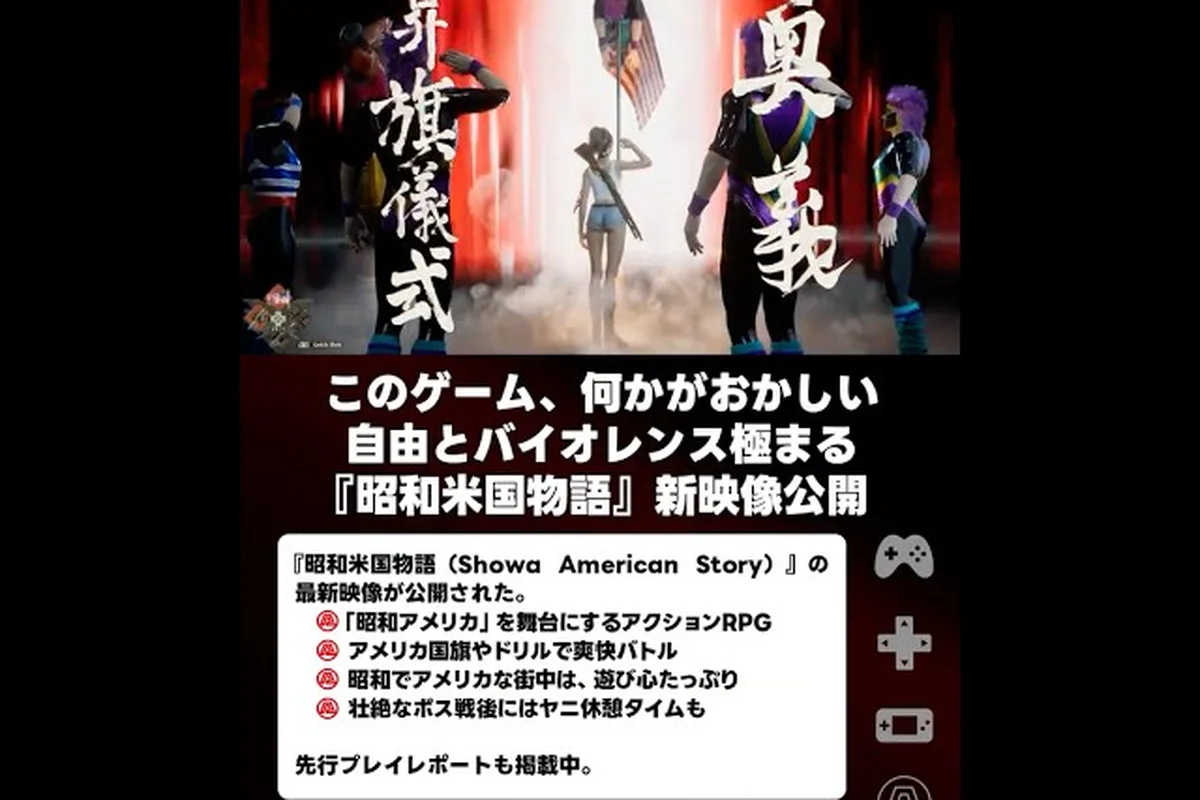
Showa American Story City Tour of Neo Yokohama Landmarks
A Neo Yokohama city tour for Showa American Story: lantern-strung landmarks, NPC-packed shopping streets, arcades, and hot-spring detours worth your time.

Showa American Story Open World Structure Explained
Showa American Story's open world explained: semi-open design, city sandboxes, camper fast travel between regions, and how the road map fits together.
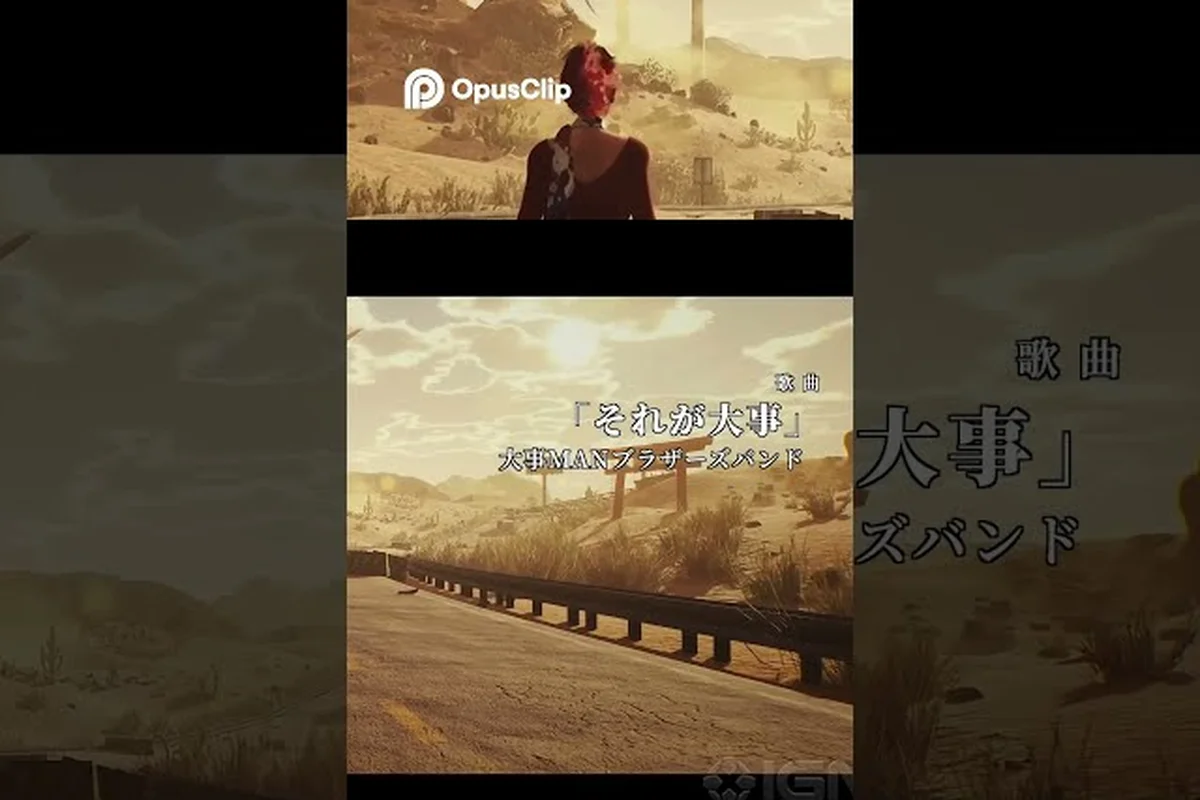
Showa American Story Scavenging Guide: Diners and Stations
Master scavenging in Showa American Story: diner loot routes, gas station stops, bath salts for RV activities, and parts farming for weapon upgrades.